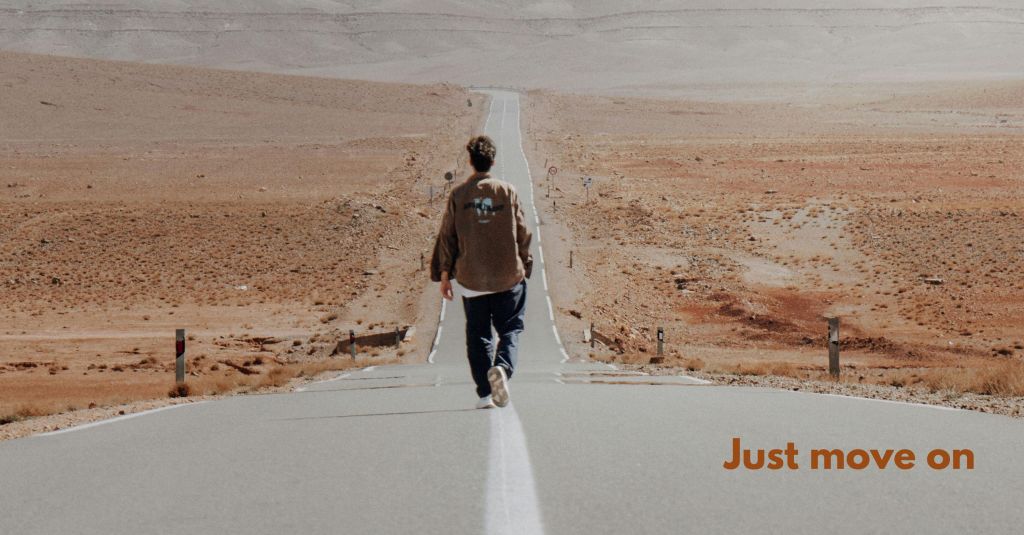
Forgiveness is often presented as the only path to peace.
We hear it everywhere:
“If you want to heal, you must forgive.”
“Let it go.”
“Forgive and forget.”
For a long time, I believed that message was something I was supposed to follow. Almost like a rule of emotional maturity. If you didn’t forgive, maybe it meant you were bitter, stuck, or unable to move forward.
But the truth is, for many people, that idea does not bring peace.
It brings pressure.
Because forgiveness, especially when the wound is deep, can feel like being asked to excuse something that should never have happened.
It can feel like a second injury.
We are told that anger is poison, and in some ways that is true. Carrying rage forever can exhaust the heart. But forcing forgiveness before you are ready—or forcing it at all—can become another form of betrayal, this time against yourself.
Healing does not require pretending something was okay when it was not.
You can acknowledge that someone hurt you.
You can accept that what happened was wrong.
And you can still move forward without ever deciding that the person deserves forgiveness.
There is another path that people talk about less often.
Moving on.
Moving on is not dramatic.
It is not a grand emotional ceremony.
It is a practical decision.
It is the moment you decide that the person who hurt you no longer gets to sit in the driver’s seat of your life.
Moving on does not mean forgetting.
In fact, forgetting can sometimes be dangerous.
Our memories protect us. They remind us where our boundaries are. They help us recognize who we can trust and who we should keep at a distance.
Painful experiences often become quiet teachers.
They teach us what respect looks like.
They teach us what we deserve.
They teach us what we will never allow again.
If we erase those lessons completely, we risk repeating the same mistakes.
You don’t need to wipe the past clean in order to live in the present.
You simply need to stop living inside the past.
There is a difference.
Moving on means carrying the memory without allowing it to control your direction.
It means saying:
“Yes, this happened. Yes, it hurt. But it will not define the rest of my life.”
Think about it like leaving a store where something went terribly wrong. Perhaps someone treated you unfairly, or you paid a price that felt too high.
You can spend years standing inside that store arguing about it.
Or you can walk out the door and never return.
The loss is still real.
But your life continues outside.
Moving on is not about letting someone “off the hook.”
It is about taking yourself off the hook.
It is about reclaiming the mental space that resentment has been occupying.
When we hold on too tightly to what someone did to us, that person continues to live in our thoughts. They continue to shape our emotions, even if they are no longer physically present in our lives.
Moving on is the act of removing them from the center of your story.
They become a chapter, not the entire book.
Or maybe even less than that.
A footnote.
A lesson.
Someone who once sat at your table, but who no longer has a seat there.
Life naturally moves forward. Time carries us away from moments that once felt permanent.
The people who hurt us remain somewhere behind us on the road.
And one day, without noticing exactly when it happened, we realize something important.
They are no longer important.
Not because what they did was acceptable.
Not because they suddenly deserve forgiveness.
But because they no longer deserve our energy.
The past is still there, but we are no longer living inside it.
That is freedom.
You don’t have to forgive.
You don’t have to forget.
Sometimes the healthiest thing you can do is simply stand up, leave the baggage where it fell, and continue walking.
Forward.
GK


It may take time to move on from particular memories. The peace that comes from this distance is, in itself, forgiveness. It’s just that the word ‘forgive’ seems like an impossible demand, especially when perpetrators may not have learnt from the consequences of their actions. Even still, the letting go can be a massive release. Unresolved anger, they say, creates toxins in the body which accumulate.
LikeLiked by 3 people
Thank you for this—there’s a lot of truth in what you’re saying. I really like how you described it: that the peace we feel over time can look like forgiveness, even if we never forced ourselves to call it that.
You’re right, too—the word “forgive” can sometimes feel like a heavy demand, especially when the other side hasn’t changed. That’s where simply letting go, little by little, can feel more honest and more possible.
And yes… holding on to anger for too long can weigh on us in ways we don’t always see right away. That’s why finding a way to release it—whether through forgiveness or simply moving on—is so important.
I really appreciate the way you put this.
GK
LikeLike
I can understand where this is coming from, especially the part about not wanting to minimize real hurt. Some wounds are deep, and trying to rush past them with a quick “just forgive” can feel unrealistic, even harmful. There’s truth in recognizing the need for boundaries, for honesty, and for not pretending something was okay when it wasn’t.
But I think there’s an important piece missing here.
Moving on and forgiveness are not enemies—they’re actually meant to work together. Because while it’s true that someone who hurt you shouldn’t keep control of your life, unforgiveness has a quiet way of keeping them there anyway. Not physically, but in thought, in reaction, in memory. Scripture speaks directly to this: “When ye stand praying, forgive, if ye have ought against any…” (Mark 11:25). That’s not because God ignores the pain, but because He knows what unforgiveness does to the heart.
Biblical forgiveness is often misunderstood. It does not mean excusing what happened. It does not mean trusting someone again without wisdom. It does not mean removing boundaries. And it certainly does not mean forgetting in the sense of becoming vulnerable to the same harm again.
It means releasing the right to hold onto it.
It’s the difference between saying, “This didn’t matter,” and saying, “This mattered—but I’m placing it in God’s hands instead of carrying it myself.” That’s where the freedom really comes in. Because otherwise, even if we “move on,” we can still be carrying the weight.
The point about not living in the past is absolutely right. We are not meant to stay stuck replaying what happened. God doesn’t call us to camp out in pain. But He also doesn’t call us to bypass forgiveness to get there. True freedom is not just walking away—it’s being released inside.
Forgiveness also does not mean giving someone continued access to your life. That distinction matters. We can forgive people in obedience to God and still recognize that trust has been broken, boundaries are necessary, and distance may be the wisest and safest choice. Jesus calls us to forgive, but He never asks us to keep handing matches to someone who has already burned the house down.
LikeLiked by 2 people
Thank you for taking the time to write this so thoughtfully. I truly respect your perspective and the way you explained it—with care, clarity, and depth.
I agree with you on something very important: forgiveness is often misunderstood. As you said, it doesn’t mean excusing what happened or removing boundaries, and that distinction really matters.
I think where my reflection comes from is the idea that people arrive at peace in different ways. For some, like you described, forgiveness becomes the way to release that weight. For others, the first step toward healing is creating distance, setting boundaries, and simply moving forward without forcing something they are not ready for.
In the end, I believe we’re both pointing toward the same goal—freedom from being tied to the past. The path may look different, but the intention is the same: to no longer carry what hurts us.
I really appreciate you sharing this. It adds an important layer to the conversation. 🙏
GK
LikeLiked by 1 person
Exactly as you have written, when we don’t move forward we are giving the person power to hurt us again and again.
Thank you for sharing this.
LikeLiked by 3 people
Thank you—that’s exactly it. When we stay stuck, we keep giving that moment power over us. Moving forward is how we gently take that power back. I’m really glad this resonated with you 🙏
GK
LikeLiked by 1 person
Georgi, I really appreciate how you reframe forgiveness. Your point about moving on without erasing the lessons resonates deeply — it’s a reminder that healing doesn’t have to mean excusing what happened.
LikeLiked by 3 people
Thank you so much—I really appreciate that. You said it beautifully: healing doesn’t mean excusing what happened. Holding on to the lesson while still choosing to move forward… that’s where the real strength is. I’m glad this resonated with you.
GK
LikeLike
Every single sentence spoke to me. This is one of the things I’ve been struggling with the most over the years, it’s been weighing heavily on me, on my faith and my day-to-day life. Thank you for this post!
LikeLiked by 3 people
Thank you for sharing this so openly. I’m really glad the post found you at the right moment. When something has been weighing on us for a long time, it takes courage even to face it—step by step is more than enough.
I’m truly grateful this resonated with you 🙏
GK
LikeLiked by 1 person
A timely treatise indeed. Learning to walk on and leave past hurts and the perpetrators behind is difficult but necessary. Forgiveness isn’t necessarily a precursor to peace – in face, if it’s fake or forced, it will have the opposite effect.
Thanks again for your wise thoughts.
LikeLiked by 3 people
Thank you for this thoughtful reflection. You said it so well—if forgiveness is forced, it can create more tension instead of peace.
Walking on, especially when it’s difficult, often becomes the more honest and healing step. I’m really glad this resonated with you, and I truly appreciate your kind words.
GK
LikeLike
“Moving on.” And “When we hold on too tightly to what someone did to us, that person continues to live in our thoughts. They continue to shape our emotions, even if they are no longer physically present in our lives.” And “Sometimes the healthiest thing you can do is simply stand up, leave the baggage where it fell, and continue walking. Forward.”
Yep, we are human and forgetting is not how we are wired. “Moving on” is aptly put!
For me, it is asking the Lord to help me forgive and it is only through Him, that it is possible, not right away, but over time. I’ve done my part and try to keep “moving on” – away from whatever and whoever it is. Like you said, it doesn’t mean I don’t remember or take note or willingly walk back into it. Not wired that way either.
~ Rosie
LikeLiked by 3 people
Thank you, Rosie. I really appreciate the way you connected with those lines. You said it so honestly—moving on doesn’t mean forgetting or walking back into the same pain.
I respect your path and the way you approach forgiveness over time. In the end, what matters most is that we keep moving forward in a way that protects our peace and stays true to who we are.
GK
LikeLiked by 1 person
Exactly!
LikeLiked by 1 person
This was particularly apropos today, thank you so much! I’ve also been pondering how, when one sustains injury from a place where injury came before? One has to say, well. Ahem. Let us not do that again and not be angry with self or Other. It’s challenging but freeing…..then the task may be to harness one’s anger at the Place and turn it to constructive..Being and Action. Still working on that.
LikeLiked by 1 person
Thank you for sharing this—it’s such a thoughtful reflection. I really appreciate the way you said, “let us not do that again,” without turning it into anger toward yourself or the other. That takes a lot of awareness.
And you’re right… redirecting that energy into something constructive is not easy, but it can be incredibly freeing. Even the fact that you’re working through it with this level of reflection already says so much.
I’m really glad this met you at the right moment 🙏
GK
LikeLike
Thank you, again!!
LikeLiked by 1 person
You are more than welcome. Have a wonderful evening and beautiful weekend.
GK
LikeLike
A well thought out and well-articulated post, as always. But I’m not sure I agree with you on this one. You make some good and valid points, but respectfully, I don’t think it is possible to really move on or let go of the bitterness without having first forgiven. The bitterness will drive you back there every time.
LikeLiked by 1 person
Thank you for sharing this so respectfully—I really appreciate that. And I understand your point, it’s a very real one. For many people, forgiveness is exactly what helps loosen that bitterness and finally release it.
I think where I’m coming from is that sometimes people need a different first step—creating distance, setting boundaries, and slowly moving forward. And for some, that process may eventually lead to forgiveness… or it may simply lead to peace in another form.
But I truly value your perspective. It adds an important balance to the conversation, and that’s what makes discussions like this meaningful. 🙏
GK
LikeLike
This definitely packs a punch. Thank you. More than anything. I couldn’t agree more…it’s like the injury is being used as a weapon to beat you with…that you are wrong, you are at fault…it’s up to you to forgive, or else! No “you’re healing yourself not them” can erase the damage, the hurt, the time it will take, depending…do we drag all of what happened into one instant, or heal each atrocity individually…each person, involved, knowing, aware, unwilling or unable to take steps to assist correct help. No one but you knows the full implication, detail, length of time, amount of damage and hurt mentally physically and spiritually that has been inflicted. Therefore cannot in a quick scan and looking from the outside, determine what is right for you! That’s how it felt to me at least. I can and will heal, when I am able, when I can face all that has happened, if not with grace, then with acceptance in the ongoing attempt to move on.. in however that looks to me…. so thank you again, for stating something that is so profoundly true for so many
LikeLiked by 1 person
Thank you for sharing this so openly. I can feel how much thought and lived experience is behind your words.
You said something very important—no one on the outside can fully understand the depth, the timeline, or the weight of what someone has gone through. And because of that, no one can decide what the “right” way to heal should look like.
I really respect the way you said, “I will heal when I am able… in however that looks to me.” That is honest, and that is real. Healing is not something we rush or compress into a single moment—it unfolds at its own pace, in its own way.
I’m truly grateful you shared this. It speaks for more people than you may realize. 🙏
GK
LikeLike
I am honored then.
LikeLiked by 2 people
Hi Georgi,
Once again, I couldn’t agree with you more. I read your text and inwardly exclaim, “Yes, that is exactly how it is.” There are things in life that simply cannot be forgiven—nor do they have to be. You can accept them and move on. A phrase that personally resonates with me regarding this topic is: “The shame must change sides.” Thank you for your words.
Sandrine ❤️🩹
LikeLiked by 2 people
Hi Sandrine,
Thank you so much for this. Your words—and especially that phrase, “The shame must change sides”—are incredibly powerful. It says so much in so few words.
I truly believe what you expressed: that acceptance and moving forward can sometimes be the most honest path. I’m really grateful this resonated with you and that you shared this perspective.
GK
LikeLiked by 2 people
wow-did I ever need to hear this today! A powerful truth that I don’t think I’ve ever heard expressed before. You are wise. Thank you for letting your wisdom comfort my heart today 💕
LikeLiked by 2 people
Thank you so much for your kind words. That really means a lot to me. I’m truly glad this reached you at the right moment and brought some comfort. Wishing you a gentle, peaceful day ahead.
GK
LikeLiked by 1 person
Oh I so strongly agree! The forgiveness model is an either/or model: you are either victin oir villain. The recognition model — largely what you describe in this post — is a both/and model. We are invited, encouraged — challenged! — to work with the multiple, co-existent realities. The whole entanglement.
LikeLiked by 2 people
Thank you for this—it’s such a thoughtful way to look at it. I really like how you described the difference between an “either/or” and a “both/and” approach. Life is rarely that simple, and most experiences carry more than one truth at the same time.
That idea of working with the whole entanglement, instead of reducing it, feels much closer to how healing actually happens. I really appreciate you adding this perspective—it brings a lot of depth to the conversation.
GK
LikeLiked by 2 people
How I missed your last two pieces is simply beyond me. Forgive me as I dive in now.
Not forgiving and getting caught up in the how’s and whys is definitely something I’m guilty of. I can rehash a situation with the best of them which builds up a wall of grudge that can be so damn toxic that it will choke someone. I’m working very hard to empathize with how I would like to be treated if I have been the cause of someone’s hurt. Walking a mile in another’s moccasins is something I try to do but I’m not always successful.
Thank you for this piece and injection into my soul GK!
Kiki
LikeLiked by 3 people
Thank you, Kiki—no need to apologize at all, I’m just glad you’re here now 😊
I really appreciate your honesty. That pull to replay things over and over… I think many of us know it well. And the fact that you’re trying to step into someone else’s perspective, even when it’s not easy—that says a lot about you.
It’s a process, not perfection. We all find our way through it in our own time. I’m truly grateful this piece connected with you 🙏
GK
LikeLiked by 2 people